
Deep Dive
来自我们记者的行业洞察
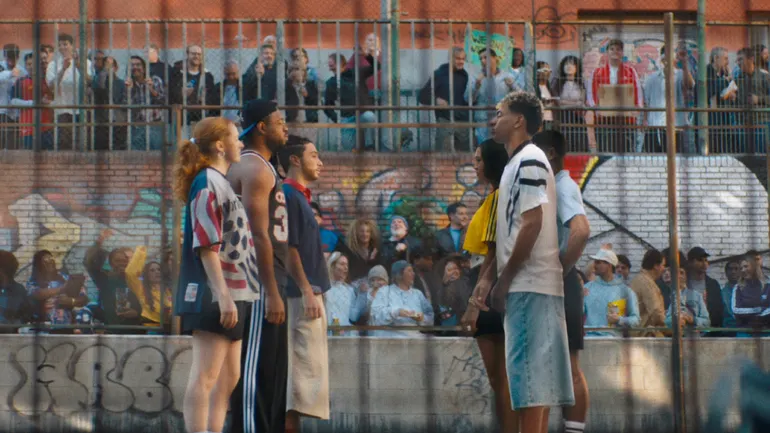
Nike and Adidas take their rivalry to the World Cup. Who will win?
Nike and Adidas launched distinctly different marketing campaigns during the World Cup: Adidas reinforces its football orthodoxy with nostalgic storytelling and a legendary lineup, while Nike seeks a traffic breakthrough with a convention-breaking meta-narrative film. Against the backdrop of Adidas's 7% revenue growth and Nike's flat revenue, the market strategies and brand value trajectories of the two major brands are drawing significant attention.

How brands are celebrating 250 years of America amid political polarization
Gallup polls show that Americans' sense of national pride has fallen to historic lows, and brands face the challenge of political polarization when celebrating America's 250th anniversary. Brands like Jeep, Coca-Cola, and Kraft Heinz attempt to balance patriotism and inclusivity through official partnerships or creative campaigns. Experts suggest that brands should focus on values such as community and integrity, rather than simply waving the flag.
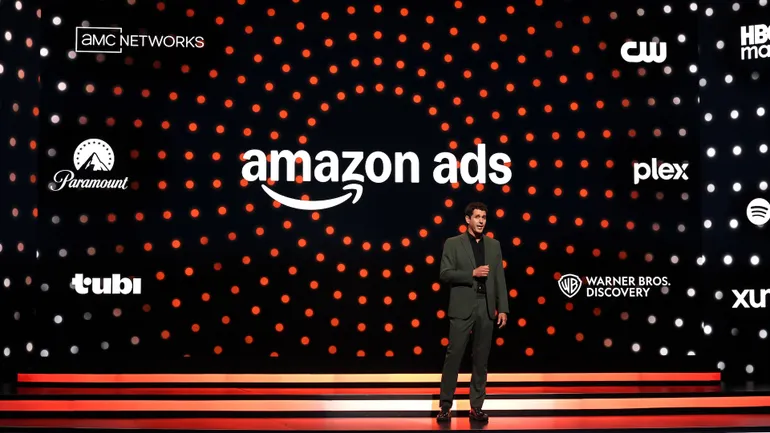
Amid upfronts sports overload, pitches around data, AI come into focus
At last week's upfront presentations, major media companies competed to showcase their sports rights strength, while also highlighting data-driven and AI-powered advertising technology as key selling points to secure budgets.
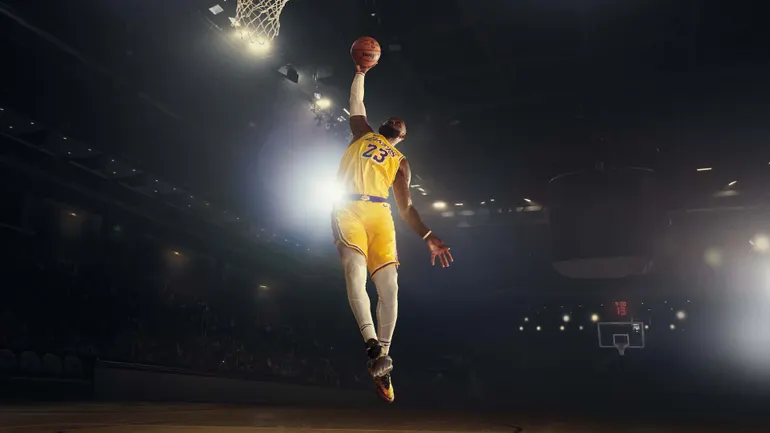
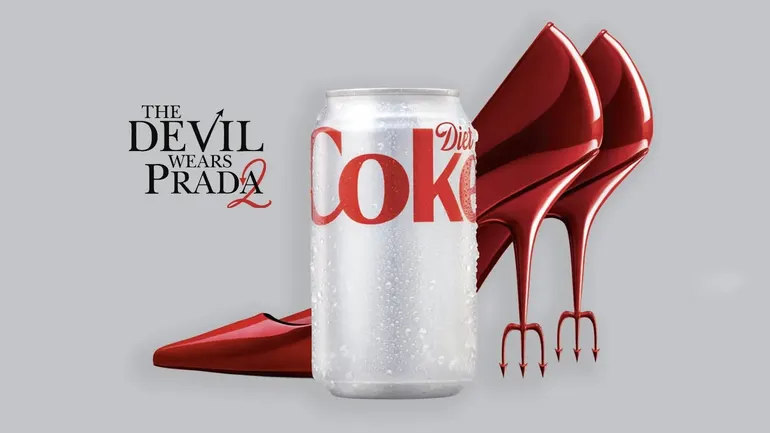
How ‘Devil Wears Prada 2’ designed a ‘fashion collection’ of brand partners
'The Devil Wears Prada 2' is set to release on May 1st, with an expected opening weekend box office of $66 million. Since the project's inception two years ago, Disney has partnered with over a dozen brands across beauty, beverages, technology, and other sectors, creating a marketing ecosystem aligned with the film's world through joint advertising, digital extensions, and offline experiences.
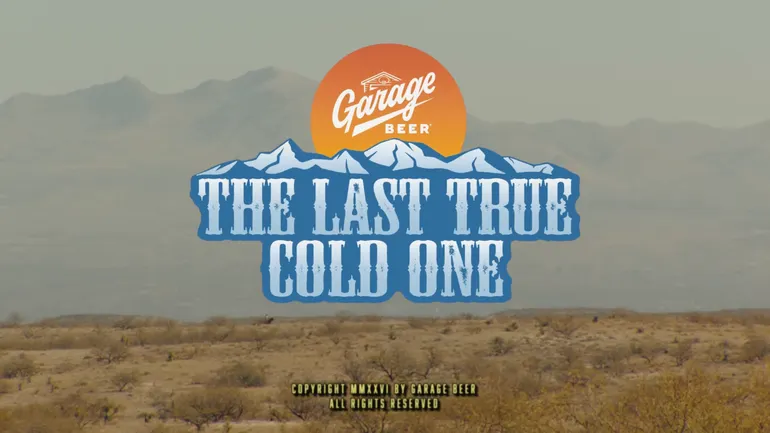
What marketers need to know as branded films return to screens
With North American box office reaching $1.77 billion in the first quarter (the best start to a year since the pandemic), major marketers including Heineken, E.l.f. Cosmetics, Tecovas, and Texas Pete have launched brand films this year. These works combine Hollywood talent and production quality, paired with red-carpet premieres, film festival screenings, and digital engagement, becoming the latest battleground for brand attention. This article analyzes the drivers behind the rise of feature-length content, the specific practices of different brands, and the risks and returns marketers must weigh before entering this space.
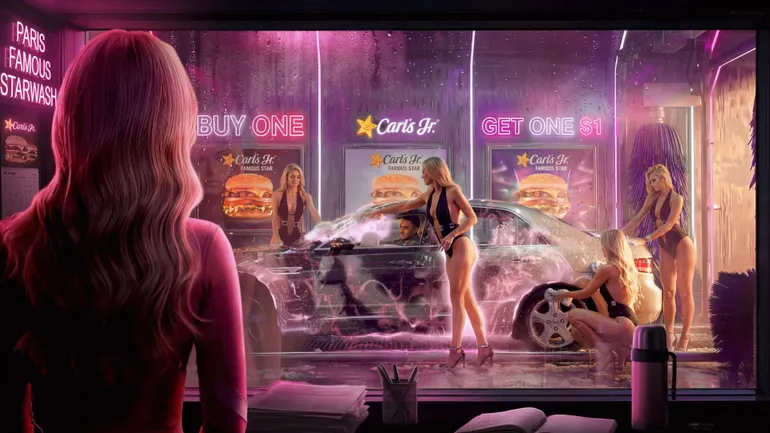
How QSRs are building on value marketing with pop culture, nostalgia
The fast food industry is shifting from pure price competition to integrated marketing that combines culture, innovation, and value. McDonald's leverages the Minecraft movie and Grinch-themed meals, Burger King collaborates with SpongeBob and a presidential hotline, and Wendy's launches a 'Fresh Plan' to rebrand. Challenger brands like Carl's Jr. and Jack in the Box use nostalgic ads and AI technology to attract consumers.

‘Don Draper is rolling over in his grave’: Super Bowl 60 ads play it safe
Super Bowl 60 ads overall trend toward safe and conservative, with AI and health-related commercials dominating, yet lacking surprise and breakthrough. Multiple creative professionals noted that brands are overly cautious in humor and emotional expression, with only a few works such as Anthropic's Claude and Budweiser's "American Icons" receiving praise.
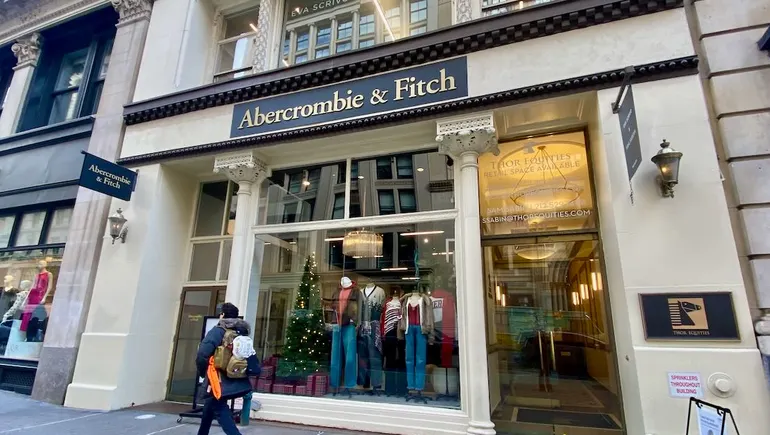
Retailers look beyond social feeds for brand storytelling in 2026
Retailers such as American Eagle, Walmart, and H&M are exploring subscription-based platforms like Substack in 2026 to strengthen brand narratives through long-form content, responding to AI search transformations and the fragmentation of the creator economy.

AI is Reshaping the Rules of the Advertising Industry—How Can Brands Take the Initiative?
As artificial intelligence becomes fully integrated into the advertising industry, marketers in 2026 face a new landscape. AI is transforming how ad campaigns are created, delivered, and measured, promising to achieve long-standing goals such as personalization at scale and closed-loop measurement. However, AI solutions launched by players from Meta and Google to WPP and Omnicom, while promising cost reduction and efficiency gains, often come at the expense of transparency. Brands must separate reality from hype in emerging areas like agentic AI, while navigating challenges such as identity resolution and data collaboration. Experts advise that savvy marketers should distinguish between what is immutable and what can be changed, and leverage agencies and data platforms to prepare for the AI era.