
Agencies
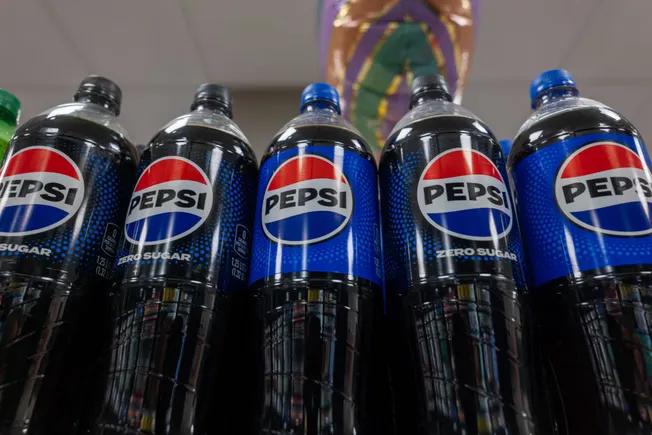
PepsiCo hands global media to Publicis amid transformation at CPG giant
PepsiCo has confirmed the transfer of its global media duties to Publicis Groupe, replacing Omnicom. Publicis will withdraw from Coca-Cola's global media review, a process it had been pursuing. The decision comes as PepsiCo revamps its portfolio with acquisitions like Poppi and Siete and emphasizes AI and data-driven marketing.

AI doesn’t reward scale. That changes everything for multicultural agencies.
In this article, author Nita Song points out that AI puts small boutique agencies and large holding companies on an equal footing, weakening the advantage of scale. The real difference lies in cultural understanding and community proximity, which are the traditional strengths of multicultural agencies. AI also solves the long-standing challenge of quantitative proof in this field, making their value easier to see.

Saying ‘I don’t know’ is the best pitch you have right now
As the industry is rapidly reshaped by AI, executives commonly face cognitive anxiety and career insecurity. This article points out that what truly hinders project progress is often not strategic issues, but the silent resistance of a certain person in the process. The author argues that rather than performing certainty, it is better to honestly say "I don't know" and build solutions collaboratively with clients on that basis—this honesty is replacing traditional authority and becoming the core capability for winning trust.
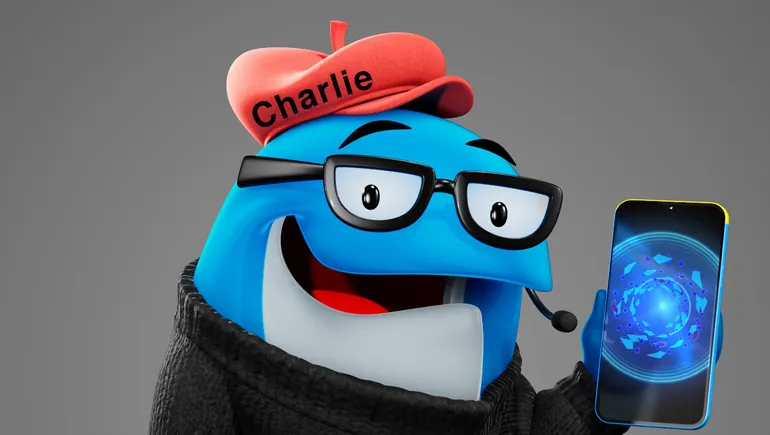
Why StarKist chose to consolidate its marketing at one agency
StarKist, a canned tuna brand with over a century of history, facing dual pressures of limited resources and intensifying competition in the protein market, has decided to abandon its multi-agency division model and consolidate all brand strategy, creative, media buying, and social operations into a single agency, Tombras. Company executives stated that the integrated model helps improve operational efficiency, respond quickly to cultural trends, and unify accountability. Tombras will assist the brand in launching an integrated marketing campaign this fall, focusing on reaching new consumer groups through the classic Charlie the Tuna character across connected TV, online video, social, and digital channels.

How brands can navigate the Paramount-WBD merger chaos
The proposed $110 billion Paramount-Warner Bros. Discovery merger is emblematic of ongoing media consolidation, but its outcome remains uncertain due to litigation. Advertisers must plan based on current facts, prepare for multiple scenarios, evaluate implications client-by-client, anticipate competitive shifts, and embrace strategic partnerships.

WPP’s streamlined strategy secures new business as revenue declines narrow
Six months after implementing the Elevate28 transformation plan, WPP has shown signs of stabilization. Second-quarter comparable revenue (excluding pass-through costs) narrowed from a 6.7% decline in the first quarter to 2.8%, with the most notable improvement in its media business. Despite strong new business momentum, CEO Cindy Rose reiterated that positive growth may not be achieved until 2027.
Popeyes spices up agency roster to deliver better brand consistency
Popeyes announced the appointment of Anomaly as its U.S. creative agency, while also adjusting its Canadian creative, communications, and data partners, aiming to improve execution and unify value communication in response to recent performance declines.

How marketers can tackle a new creative paradigm with connected content
Media fragmentation and the proliferation of AI are driving an upgrade in marketing creative models. Omnicom Media Group's research division proposes the 'Connected Content' paradigm, advocating for content production driven by four-dimensional signals: consumer, commercial, cultural, and category. Data shows that 80% of consumers believe poor-quality ads are worse than no ads at all, while 84% connect with ads that align with their personal experiences. This article analyzes how this paradigm replaces the traditional 'hero ad plus fragmented distribution' model, shifting toward an agentic system of continuous learning and dynamic adaptation.
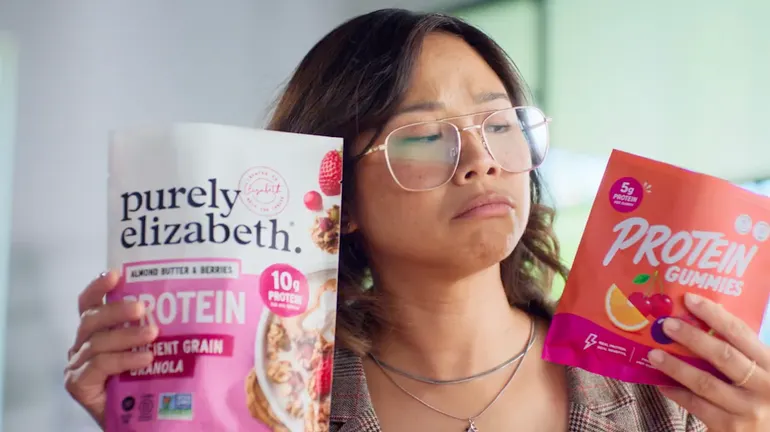
Purely Elizabeth lampoons protein-maxxing for major product launch
Purely Elizabeth, a privately held challenger brand that claims to be the number one cereal brand in the U.S., is responding to the protein craze with humor, launching a new line of Protein Ancient Grains Cereal and kicking off its largest media push ever. The campaign, titled 'Protein Fantasy,' satirizes the overemphasis on protein in dietary culture, instead highlighting natural ingredients and great flavor. The brand achieved $200 million in total sales in 2025 and aims to reach $300 million by 2026.

Publicis raises full-year guidance, addresses LiveRamp acquisition and Sapient slowdown
Publicis Groupe grew organic net revenue 4.8% in Q2 to €3.8 billion (~$4.3 billion), lifted its full-year guidance, and fielded investor questions on the pending $2.2 billion LiveRamp deal and softness at its Sapient transformation unit.