
Why Fandom Stands Out and Why Havas Is Doubling Down
As media fragments, marketing focus shifts from customer bases and communities to fandoms. Havas acquires Archrival to enhance fandom capabilities, with experts noting that fandom emphasizes deep engagement and content co-creation, requiring brands to address criticism and maintain authenticity.
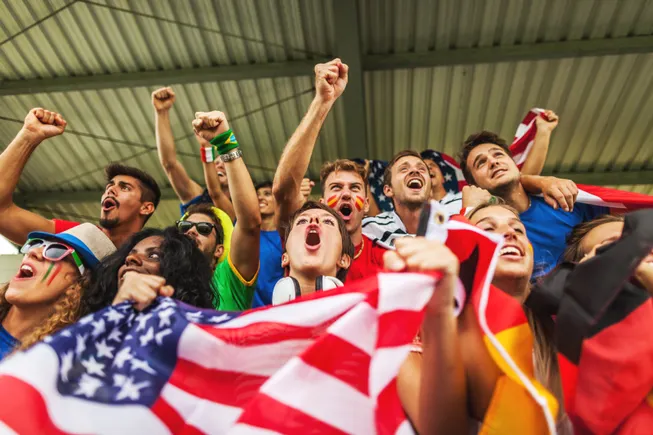
For a long time, marketers focused on building and expanding customer bases, then shifted to creating and growing communities. Today, against a backdrop of increasingly fragmented media and attention, the next focus will be on cultivating and managing fandoms.
"Fandom is the language people use when they are extremely excited, the symbols they share, the inside jokes they understand without explanation, and the way people engage with what they love," said Andrea Isaac, Managing Partner at Havas Play North America. "We want to understand the codes they use, what they love, and what truly excites them."
Creating or leveraging fandoms drove Havas's recent acquisition of a majority stake in Archrival, a youth culture and experiential marketing agency. The nearly 30-year-old agency will be integrated into the Havas Play division, enhancing its capabilities in sports marketing, creator engagement, experiential activations, and community-driven brand building.
"The brands we work with are showing a need for partners who understand how to create consumer engagement," Isaac said. "With Archrival, we will have a more integrated model to help brands embed themselves into culture in more authentic and meaningful ways."
To grasp the future direction, one must understand the past and the changes. For a long time, marketers divided consumers by demographic characteristics, judging potential customers based on age, income, location, and more.
"In the early days, much of marketing focused on awareness and reach, and the challenge was often just showing up in front of people," said Erin Flynn, Chief Strategy Officer at Archrival. "We treated people as audiences and understood them based on how they watched channels and consumed content across them."
As digital technology rose, media became more fragmented, making it harder to deliver messages to the right consumers at scale. At the same time, the internet, especially social media, created new opportunities for people to interact, and they began to gather around shared interests and passions, forming small but precious communities.
"People are increasingly organizing themselves around interests rather than demographics," Flynn said. "These are places where identity forms, where influence is created, and ultimately where decisions are shaped."
"People no longer organize their lives around channels, but around passions, communities, and culture," Isaac added. "Therefore, consumers no longer just want to consume brands; they want to participate in them, contribute to them, and truly belong to something bigger than themselves."
Consumer-generated content
The rise of fandom is linked to the surge in consumer content creation, which may not be surprising. Fans are no longer just following or engaging with brands on Facebook or Twitter; they are taking the connection a step further through TikTok Reels and Instagram Stories.
"The difference between community and fandom often comes down to the depth of engagement," Flynn said. "Community creates connection, while fandom encourages contribution—people not only consume content, they are actually creating it."
This investment and commitment offer marketers the opportunity to turn ordinary customers into brand advocates, making the brand part of their identity by reflecting shared values and building deeper emotional connections. To build true fandom, brands need to give their most passionate consumers ways to express their investment and connection.
"It's not just about reaching people with shared interests," Flynn said. "It's about creating ways for people to actively participate and feel a sense of ownership over the experience."
However, giving up ownership means giving up control. Although many brands have accepted that they cannot dominate the narrative, fandom, because of its deep emotional connections, can lead to louder and more frequent criticism. Think of sports fans' enthusiasm when their team wins, and their outspokenness when the team loses.
"The most important thing for brands to understand is that fandom is not without criticism," Flynn said. "In many cases, it's the opposite: the most passionate communities are often the most outspoken because they deeply care about the outcome."
Therefore, brands seeking to create or manage fandoms will need to become more discerning about what fans are saying, and which statements need a response and how to respond.
"The challenge is learning to distinguish between noise and meaningful feedback," Flynn said. "Not every piece of criticism should drive action, but when a passionate community consistently communicates a message, brands should pay close attention."
Isaac said brands also need to respond in ways that fan communities see as authentic rather than as a mere marketing tactic. In the age of AI, this is even more important—every statement, every image, and every interaction is scrutinized for authenticity and "humanity."
"When brands start manufacturing fan behavior, or selectively amplifying certain content just because it's useful from a marketing perspective, communities often notice quickly," she said. "Brands that can prove their authenticity will win, and talking about fandom and creating experiences allows brands to showcase that authenticity."