
Consumers say reward programs matter, but actual usage rates are low
An Upside survey of 3,400 consumers shows that although 86% of respondents consider loyalty rewards important, the actual frequent usage rates for grocery, fuel/convenience store, and restaurant loyalty programs are only 59%, 49%, and 38%, respectively. EY experts point out that program design needs to go beyond heavy users, focus on mid-tier consumers, and boost engagement through instant incentives and personalized experiences.
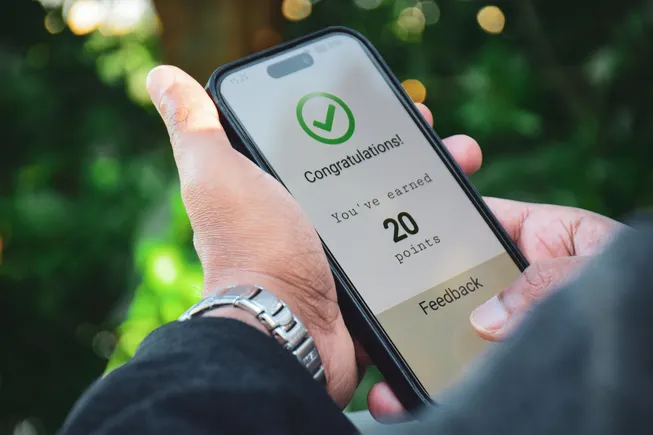
Key Takeaways:
- According to a survey of 3,400 consumers released by Upside on Monday, the vast majority (86%) said loyalty rewards are important to them, but the share who said theyfrequently use loyalty programswas significantly lower.
- Only 59% of shoppers said they frequently use grocery loyalty programs. That share dropped to 49% for fuel and convenience store programs, and just 38% for restaurant programs.
- Upside noted that across grocery, fuel/convenience, and restaurant programs, most consumers fall into the "preference-first" shopper category, exhibiting high brand affinity and high price sensitivity. These customers quickly join loyalty programs at places they like—and they typically like many places.
Deep Dive:
The loyalty program space is highly competitive, making it increasingly difficult for any single program to stand out. A successful program should go beyond merely expanding enrollment and truly influence customer shopping behavior.
Part of the challenge lies in a disconnect between the consumer segments that loyalty programs target and the shoppers most likely to be influenced by rewards programs.
"For years, program design was almost entirely centered around the heaviest users," said Patricia Camden, EY's Americas loyalty lead, in an email. "The thinking was that if you reward those who already spend the most, you'll drive more of that behavior. That may work, but it also leaves a lot of value on the table."
According to Camden, EY research has found that loyalty program enrollment is at or near all-time highs, yet nearly half of consumers say they would abandon their current programs to shop elsewhere if they found a better deal. As a result, there is a large group of customers who are nominally loyalty members but not fully committed to the brand.
Camden said top-tier loyalty programs continuously cultivate the customer behaviors they desire over time. "If a program fails to actively cultivate the next tier of customers right behind them, the top of the pyramid will eventually start to thin out."
In the casual dining sector, for example, Camden noted that the biggest untappedvalue doesn't necessarily come from regulars—but rather from customers who used to visit every few months and gradually drifted away. Many programs, however, invest the most in attracting diners who visit weekly.
Camden mentioned one company that developed a program to win back this middle segment through small return-welcome offers and a degree of personalization. As a result, a significant portion of lapsed customers returned for an extra visit or two each quarter, and some even began exhibiting higher-value behaviors.
"The program didn't just protect the top of the pyramid—it was building the next layer," Camden said.
Upside believes "preference-first" customers value shopping at their favorite stores as much as they value managing their budgets. Winning their business requires differentiation, such as offering exclusive experiences that make loyalty membership feel more meaningful.
Camden also noted that immediacy is another key to winning customers. Programs that require customers to spend hundreds of dollars before seeing any rewards are harder-pressed to win over wavering customers than those that reward small behaviors early on and thereby build higher loyalty over time.