
Deep Dive
来自我们记者的行业洞察

2023 H1 Marketing Data Review: Measuring Uncertainty, Budget Adjustments, and Platform Migration Take Center Stage
In the first half of 2023, the marketing industry faced core issues such as measurement uncertainty, budget adjustments, and platform migration. Data shows that social commerce is expected to reach $79.6 billion by 2025; YouTube advertising revenue grew by 4%, covering 2.07 billion adults; marketing budgets accounted for 9.1% of company revenue, down 0.4 percentage points year-over-year. Meanwhile, retail media became the fourth-largest advertising channel, with spending expected to reach $121.9 billion in 2023.

Culture wars continue to heat up, marketers face choices of repositioning or strategic contraction
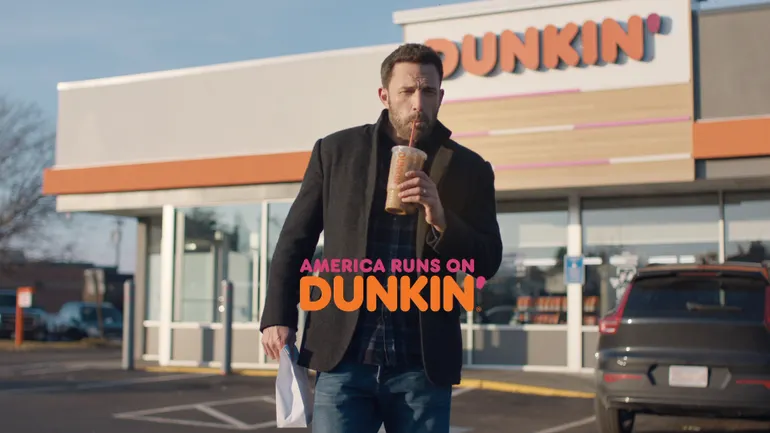
In 2023, marketers initially focused on budgets and industry changes at the start of the year, but brands such as M&M's, Bud Light, and Target were successively drawn into culture wars, triggering boycotts and sales declines. The marketing industry faces a choice: continue purpose-driven marketing or return to functional value propositions. Economic pressures and the rise of generative AI further influence strategic adjustments.
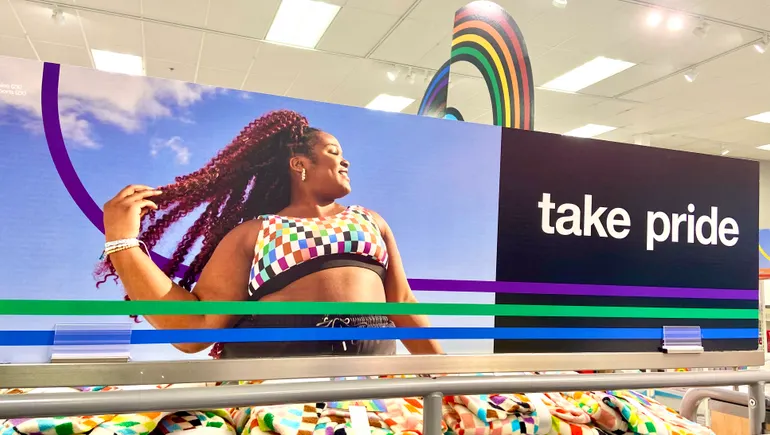
Target's Shift from High-Profile Support to Silence: The Brand Dilemma Behind Pride Month Merchandise Controversy
After years of prominently celebrating Pride Month, Target's 2023 Pride Month marketing faced intense backlash from extremists, leading it to remove related merchandise from some stores and fall silent. Despite over 100 LGBTQ+ advocacy organizations urging it to reaffirm its commitment, Target did not respond after issuing a statement on May 24. Experts note that this retreat not only damages brand credibility but may also lose support from its core consumer base.

Debunking JIC Myths, Leveraging MRC: The Game and Transformation in Measurement
As the Writers Guild of America (WGA) strike, which began on May 2, grabs headlines, another pressing issue in the upfront season—the shifting measurement landscape—is brewing industry changes that could reshape the entire premium video and television ecosystem. Recent events have centered on measurement standards in this multi-billion-dollar industry, with the Joint Industry Committee (JIC) accelerating cross-platform measurement solutions, while Nielsen's absence and its stance on MRC accreditation have sparked heated debate.
Bubble Gum Classic: How Bazooka Leverages Nostalgia to Drive Sweet Growth
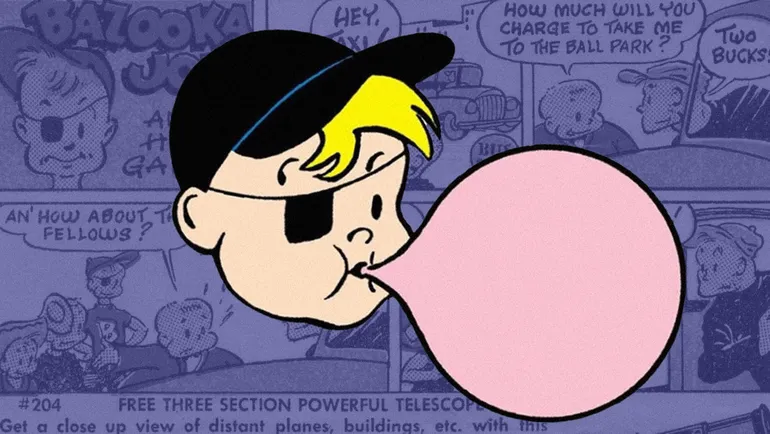
Bazooka bubble gum, introduced by Topps in 1947, became a classic through its unique flavor and Bazooka Joe comics. Today, amid dramatic shifts in the candy market, the brand maintains growth through nostalgia strategies while exploring innovation. This article analyzes its history, market position, and the long-term viability of nostalgic marketing.

Can Metaverse Marketing Survive the Current Tech Stock Crash?
Multiple factors have combined to raise doubts about the metaverse's prospects: generative AI has seized the tech spotlight, key platforms are experiencing low user engagement, and economic fluctuations are prompting brands to return to marketing fundamentals. However, it may be too early to completely dismiss the metaverse—some brands are still using metaverse strategies to connect with young consumers and build communities. Experts point out that the current stage may be a 'dormant period,' and in the future, the definition of the metaverse will be clearer, but its scope may be more limited than early visions.

The New Era of Alcohol Advertising Starts Slowly: Mixed Reactions to Super Bowl LVII Debut
After Anheuser-Busch InBev gave up its 33-year exclusive advertising rights, Super Bowl LVII became a new battleground for alcohol brands. Despite the high cost of up to $7 million for a 30-second ad, newcomers such as Crown Royal, Rémy Martin, and Molson Coors did not fully win over audiences. This article analyzes the successes and failures of each brand's advertising strategy and explores the impact of this change on the industry's future.
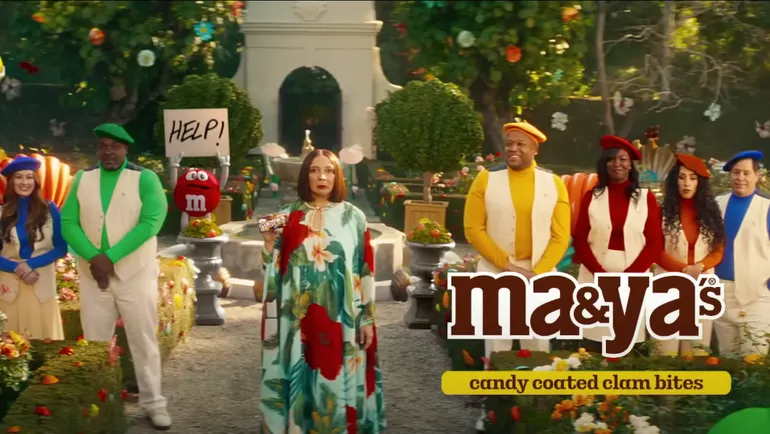
Super Bowl LVII Ads Underwhelm: Safety, Perfunctory, and Dull as Keywords
Super Bowl LVII ads were criticized as safe, perfunctory, and dull, with celebrity endorsement fatigue apparent, while emotion-driven and utility-oriented ads stood out.