
Super Bowl's cultural influence grows, brand marketing strategies shift off-field
Ahead of Super Bowl LIX, more than a dozen major marketers have chosen not to purchase national television ads, instead participating through regional placements, experiential events, celebrity collaborations, and second-screen interactions. This trend reflects the Super Bowl's evolution from a mere sporting event into a cultural phenomenon, with brand marketing strategies adjusting accordingly.
Ahead of Super Bowl LIX (the 59th edition), more than a dozen major marketers have chosen to launch promotional campaigns around the annual event without purchasing national TV ad slots. Additionally, several companies, including Busch Light, Tullamore D.E.W., and Procter & Gamble's new brand Spruce herbicide, are running more targeted regional ad campaigns; while brands such as Verizon, PepsiCo, Toyota, and Captain Morgan are rolling out experiential marketing activations in New Orleans, the host city for this year's game.
These marketing initiatives often come from industries similar to typical Super Bowl advertisers, commonly leveraging former NFL legends to promote promotions, contests, and second-screen experiences. But a few of these cases clearly tap into pop culture—a reminder that the Super Bowl is increasingly transcending the ads themselves, both inside and outside the stadium, to become a broader cultural phenomenon.
"The Super Bowl will continue to evolve, but it's almost no longer about football itself, and more about cultural influence and the meaning of people coming together," said Scott Sutton, CEO of influencer marketing platform Later. "There are so many interesting cultural moments happening around real people, celebrities, and athletes... No matter who you are, the Super Bowl offers content you can consume."
The cost of Super Bowl ad slots continues to climb—reportedly, some 30-second spots this yearsold for over $8 million—but that hasn't deterred advertisers. Dozens of brands, both established players and emerging challengers, across categories like alcohol, automotive, financial services, food and beverage, and technology, continue to pay top dollar to be part of the big game. But what about the vast number of marketers who can't afford the high cost of a Super Bowl ad?
"We have many clients who are very focused on performance marketing," said Nicole Payne, CEO of EGC Group. "For them, a $7 million ad must generate $7 million in revenue at that moment."
That's an extremely high bar for any brand, no matter howeye-catching its QR codeis. That's why, in a fragmented and polarized media environment, many advertisers have to think outside the box to become part of these few "monoculture moments."
A familiar lineup
This year's Super Bowl marketing efforts follow a common strategy from recent game ads—using recently retired NFL stars to connect with football fans. Tostitos kicked off the Super Bowl season with retired running back Reggie Bush, launching a QR code-based challenge where participants have the chance to stop the game clock and win the opportunity to trigger confetti at the final whistle.
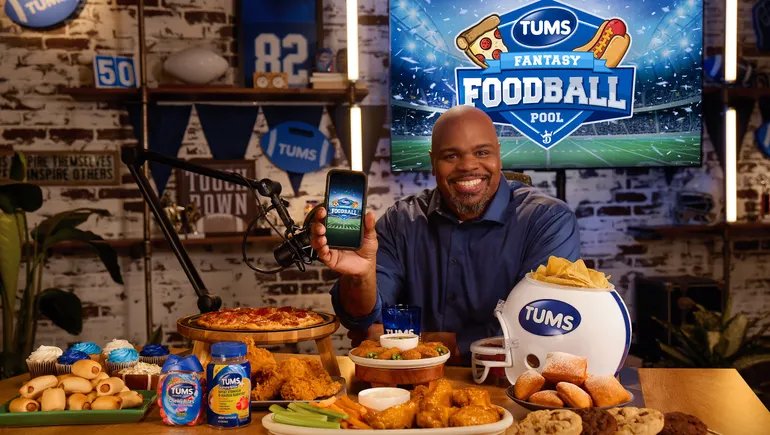
Fans also have the chance to experience "stopping the clock" firsthand. In select grocery stores, interactive displays with countdown buttons allow fans to try the competitive button challenge until January 27. Tums and DraftKings, meanwhile,partnered for the second consecutive yearwith two-time Super Bowl champion Vince Wilfork to launch anonline gamecentered on food and drink pairings, running throughout the playoffs.
Rob "Gronk" Gronkowski continues to be a hot commodity for brand partnerships, signing two deals this year: starring in ads and social content for P&G's Bounty brand, and creating a digital avatar "Gronk AI" for Avocado From Mexico's Guacline campaign. The generative AI platform, created by digital experience agency 270B, allows the avocado brand to tap into the tech industry's hottest trend while skipping a Super Bowl ad for the second straight year.

And what would recent Super Bowls be without the Kelce brothers. With Travis Kelce's Kansas City Chiefs making their third consecutive Super Bowl appearance, retired Philadelphia Eagles star Jason Kelce has taken on brand ambassador duties. The podcast host and studio analyst serves as Courtyard by Marriott's "fan ambassador," offering fans the chance to win a suite stay at the stadium—provided theyfind the real Kelce among the many lookalikes in the French Quarter。
"The Kelce brothers blur the lines between influencer, content creator, celebrity, athlete, cultural icon—and that's really interesting for consumers because in the past you could never get this close to athletes and content creators. There are so many fun avenues for brands to tap into that," said Later's Sutton.
Second-screen culture
Since Travis Kelce began dating pop superstar Taylor Swift in 2023, the number of consumers looking for the Kelce brothers has only grown. The so-called "Taylor Swift effect" on NFL engagement is expected to continue on Super Bowl Sunday, coinciding with rising second-screen usage—as viewers race to keep up with online discussions about what's happening on and off the field.
"It's no longer just die-hard, X's-and-O's football fans watching the game," said Sarah Bolton, EVP of business intelligence at Advertiser Perceptions. "Specifically regarding one of the Kelce brothers, or someone in a suite, people are looking for those reaction shots, and the online reactions to the reaction shots."
Multiple brands have incorporated the second screen into their Super Bowl marketing plans. Multi-hyphenate entertainerWayne Brady will partner with chicken brand Perdueto deliver "improv" performances on his Instagram account, creating songs, jokes, and skits around the game, ads, and audience requests; Kia, meanwhile, will direct Instagram and TikTok users to a digital game where winners can take home a new car.
"Brands will look to hijack other brands' big moments during this year's game."

Greg Zakowicz
Senior Ecommerce Expert at Omnisend
However, no brand is betting on the second screen more comprehensively than Twix. The Mars-owned brand will launch a"Second Screen Stare Down" gameduring the Super Bowl ad break, where consumers simply stare at their phone camera for a chance to win two solid gold bars. The campaign aims to reach the 79% of consumers who will check their phones during the game, 60% of whom will text or scroll social media—according to research commissioned by the brand from YouGov.
A relatively new factor driving second-screen usage during sporting events is the rise of legal online betting, which may prompt consumers to spend more time looking up game updates and statistics.
"Marketers can't ignore the betting element of the game. It's estimated that 1 in 4 adults will wager on the Super Bowl," said Jeff Husted, co-founder and managing director of digital ad agency Brkthru, in an email comment. "This is a prime opportunity for advertisers to reach audiences with a vested interest in the game through mobile ads and contextually relevant pages."
Regardless of the reason consumers use their phones during the game—texting and posting about the game, halftime show, and ads, engaging with brand content, or checking their parlay bets—savvy marketers will be ready to meet them wherever they are. The smartest brands have already adjusted their paid media strategies to capitalize onknown Super Bowl ad lineup information。
"Brands will look to hijack other brands' big moments during this year's game. Expect brands to invest heavily in social media ads during the game, combined with trending search terms and hashtags related to their ads," said Greg Zakowicz, senior ecommerce expert at marketing platform Omnisend, in an email comment. "Just because a company doesn't buy an ad during the game doesn't mean it can't capitalize on the opportunity."