
Brands Leverage Heated Election Campaigns: Conveying Messages Through Unity and Humor
Brand marketing during election season faces challenges: GWI research shows 22% of American consumers have stopped purchasing due to brands' political stances, and 82% of marketers worry about marketing strategies during the campaign period. Stonyfield launched the 'Toxicity-Free Election Challenge' encouraging users to stay away from social media, Red Lobster united consumers with the humorous 'Cheddar Bay 2024' campaign, and Aloft Hotels used dog meditation videos to ease anxiety. Forrester advises brands to strengthen brand safety and social listening, and to be wary of AI risks.
Brands tread carefully on political stances, and recent GWI research shows that,22% of U.S. consumersstopped using or buying a brand's products during the three months from late summer to early fall because of its political views. On social media, 18% of respondents unfollowed brands or influencers for this reason.
Therefore, Forrester research points out that it is not surprising that 82% of marketers are concerned about how to correctly market their brands during the intense presidential race. In 2024, some brands found their footing by tapping into the heightened emotions brought on by the November election, offering consumers comfort or an outlet for anxiety.
High emotions, brands tread carefully
Organic yogurt maker Stonyfield recentlylaunched the "Toxic-Free Election Challenge", an organic campaign encouraging people to step away from social media for a month before the election for a chance to win $1,000. Kristina Drociak, Stonyfield's director of PR and digital strategy, said the campaign continues the brand's history of helping consumers avoid toxins like pesticides.
"This is an election year, and the brand saw an opportunity to extend that message in a relevant and positive way, encouraging customers to avoid toxins in their lives, this time by encouraging a social media pause to eliminate digital toxicity," Drociak said. The campaign resonated with Stonyfield's customer base. Drociak reported that within the first two weeks of the challenge, 2.1 million people had agreed to step away from social media.
High emotions, consumers avoid political content
With the current presidential election particularly intense, the challenge of mixing brand marketing with politics may intensify. GWI found that one-third of Americans avoid online political content for various reasons, including: feeling overwhelmed (35%), it triggers conflict or a hostile environment (32%), and negative impact on emotional well-being (30%). Additionally, 35% of Americans reduced social media use in the past quarter, with nearly half (49%) citing political discussions as a reason for pulling back. The survey covered more than 2,000 American adults.
Data also suggests that brand political social media posts that receive a poor response can negatively impact awareness and purchase intent. Among Americans who limit social media access, a significant proportion have purchased products after seeing them on Facebook (36%), YouTube (34%), Instagram (27%), and TikTok (21%). Last year, major advertisers like Bud Light and Target faced backlash for their stances on sensitive social issues,getting caught up in culture war backlash, while corporate diversity, equity, and inclusion programs continue to facegreater pressure。
"Given the large number of consumers who disengage or even avoid products entirely due to a brand's political stance, it's clear that if brands want to maintain their customer base, they need to consider how their political messaging is received and seriously question whether they really need to publish political content," GWI trend analyst Matt Smith said in a statement.
Although U.S. elections seem more contentious in recent times, the Forrester report "How to Advertise in an Election Year" points out that this is not the time for CMOs to pull ad budgets. Instead, brands should view the election cycle as an opportunity to build resilience. As Stonyfield's efforts highlight, negative chatter on social media can provide opportunities for emotional connection, which in turn helps build awareness among key demographics.
Generational differences: younger generations more accepting of brand political stances
Among younger generations, 30% of millennials and 27% of Gen Z like it when consumer brands take political stances, according to a Cint survey of 2,000 adults released in early October at Advertising Week New York. Half of millennials and 60% of Gen Z are more likely to support consumer brands that align with their values. Older generations are more wary: only 9% of baby boomers like brands taking political stances, and 13% of Gen X. Cint found that Republicans are most averse to consumer brands taking political stances, at 55%, compared to 26% for Democrats.
"Before consumer brands take a political stance, it's crucial to understand your target audience," Cint's marketing director Ariel Madway said in an email.
Shared values: brand strategy and risk
Forrester principal analyst Audrey Chee-Read, co-author of the election year advertising report, said reputation protection strategies brands should adopt before the election include: reassessing brand safety guidelines and keyword exclusions, and strengthening social listening to be wary of malicious actors who might abuse the brand.
Some consumer brands have found ways to avoid direct political stances while tapping into consumers' feelings about the upcoming election. Global restaurant chain Red Lobster, which recently emerged from bankruptcy, is taking a playful approach to pre-election marketing. Last month, the seafood chainlaunched "Cheddar Bay 2024", a campaign aimed at uniting people across political lines over dinner, while offering the chance to win free Red Lobster for four years (i.e., one presidential term).
"Cheddar Bay 2024 is a 'bipartisan bite' campaign advocating for the values we can all unite around—cheesy, fresh, and the warm, buttery goodness we crave—because when the biscuits rise, America thrives," the brand said in a press release. Red Lobster is airing TV and digital ads that mimic political advertisements, including one criticizing the "stale policies" of other "restaurant breads." Beyond paid marketing, the company is offering free campaign kits at CheddarBay2024.com, including lawn signs, T-shirts, hats, and badges.
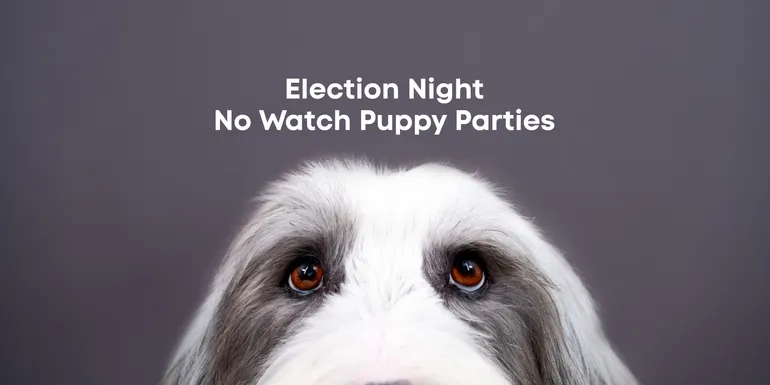
To help consumers relieve election stress, Aloft, Marriott's pet-friendly hotel brand, is leveraging the soothing qualities of adorable dogs. A 47-minute brand YouTube video features dog-guided meditation to "escape the election noise." In the video, a dog looks directly at the camera while a voiceover encourages viewers to relax and stay positive. Additionally, there is a series of "watch parties" events: on Election Day, November 5, at five Aloft hotels, guests and local residents can cuddle and socialize with shelter dogs.
Ultimately, despite brands' best efforts, the election season can still become a minefield. The digital environment is full of complexities and potential pitfalls, including generative AI, whose disruptive impact on brands may not be immediately apparent. AI marketing risks include increased deepfakes, robocalls, and malicious actors abusing tools.
"In today's political landscape, the idea that 'it won't happen to me' is wishful thinking," Forrester's Chee-Read said. "Despite good intentions, brands can become collateral damage if they don't take proactive measures."