
Digital Insights: Three Key Data Points in the Marketing Sector for May
May marketing industry data reveals: Netflix's advertising footprint expanded to 27 countries, Kraft Heinz's marketing strategy drove an 8-percentage-point increase in advertising return on investment, while 56% of CMOs stated that budgets are insufficient to support 2026 strategies. AI remains a focal point of the industry, but budget allocation and infrastructure still pose challenges.
In May, the marketing industry experienced an AI-driven annual advertising upfront season, reaffirming AI's central role in the sector. However, despite marketers' continued emphasis on AI, only an average of 15.3% of marketing budgets is allocated to this technology. Notable data points this month, such as Kraft Heinz's adjusted marketing strategy and Netflix's advertising business expansion, collectively outline the deep challenges facing CMOs.
15: Number of new countries Netflix's ad plan will add by 2027
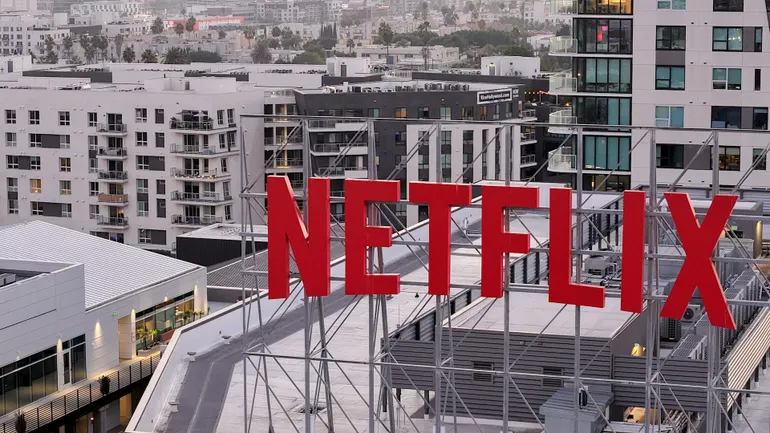
Netflix plans to expand the total number of countries covered by its ad-supported plan from the current 12 to 27 over the next year. According to its annual advertising upfront presentation on May 13, new markets will include Austria, Belgium, Colombia, Denmark, and other countries.
The company stated that its global monthly active users have reached 250 million, and over 60% of new subscribers chose the ad-supported plan. In addition to expanding the geographic reach of its advertising business, Netflix also announced at the presentation that it will increase ad inventory for vertical videos and podcasts, and launch a series of new tools and features for its Ads Suite.
In the first quarter of 2025, Netflix's overall revenue grew 16% year-over-year, and it expects its advertising revenue to double to $3 billion by 2026. Ahead of the second quarter, Netflix announced new ad targeting capabilities through demand-side platform partners Amazon and Yahoo, and launched a Conversion API tool.
8: Increase in global advertising return on investment (percentage points) from Kraft Heinz's marketing strategy
Kraft Heinz's adjusted marketing strategy has led to sustained performance improvements. The consumer goods giant increased marketing investment by 37% year-over-year in the three months ending March 28, and full-year marketing spending is expected to account for at least 5.5% of the company's revenue.
The increase in marketing investment comes after Kraft Heinz paused its plan in February to spin off its grocery and condiment business into a separate entity. As part of the transformation, the Lunchables maker has allocated $600 million for investments in product improvements, marketing, sales, and more. Among these, Kraft Heinz is focusing on consumers' growing health and wellness needs. In March, the company launched PowerMac, a high-protein, high-fiber version of its Kraft Macaroni & Cheese product.
That same month, Kraft Heinz reached a five-year agreement with the National Football League (NFL), becoming the league's first global condiment partner. This partnership focuses on brands commonly seen in consumers' game-watching experiences, aiming to help the company improve its Away From Home business.
56%: Proportion of CMOs who believe their budgets are insufficient to execute their 2026 strategy
According to Gartner, more than half (56%) of CMOs say they do not have enough budget to implement their company's 2026 marketing strategy, and 54% of CMOs say they lack the necessary resources. This pressure to "do more with less" is prompting marketers to potentially turn to AI as a solution.
Although AI remains a core strategic goal for 70% of marketers, only 30% believe they have the infrastructure needed to implement AI. Marketing budgets are essentially flat, averaging 7.8% of company revenue in 2026, compared to 7.7% in 2025. Notably, organizations with higher AI optimization have marketing budgets as a percentage of revenue (8.9%) that exceed the industry average.
Major publishers in the advertising industry continue to build their AI-driven tools. Amazon, Fox, and Warner Bros. Discovery all announced improved or brand-new AI solutions during the annual upfront season. Behind these investments, more than a third of marketers are exploring how to use AI to improve workflows and operations, while according to iSpot data, four in ten industry professionals plan to test AI creative this year.
This article was written by the Marketing Dive editorial team.