
IRL Live Streamers: The Biggest Opportunity for Brand Marketing
With the appearance of IRL streamers like IShowSpeed at the closing ceremony of the 2026 FIFA World Cup, brands have begun to realize the marketing value of such creators. This article analyzes why IRL live streaming appeals to Generation Z, successful cases and potential risks of brand collaborations, and how to achieve effective partnerships while maintaining authenticity.
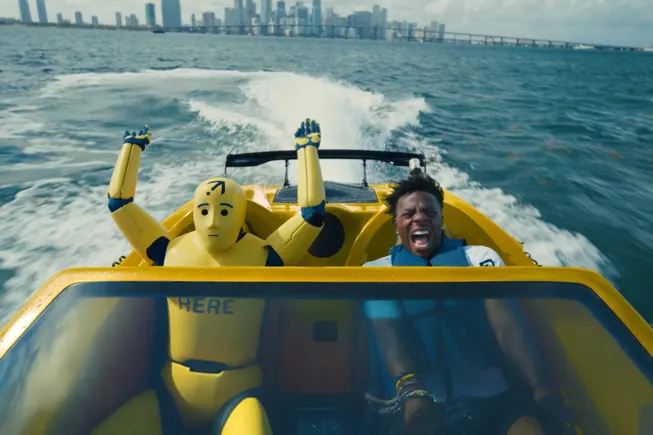
The 2026 FIFA World Cup concluded with a closing ceremony steeped in American flair, featuring a host of global celebrities, with one creator known by his online alias standing out in particular.
Darren Watkins Jr. (known online as IShowSpeed) recently made Forbes' list of top ten creators, became the new face of Expedia, the protagonist of an upcoming anime series, and the first African-American YouTube creator to surpass 50 million subscribers. He has been hailed as the "ESPN of Gen Z" and was even once declared honorary mayor of Lima, Peru.
How did a teenager from Ohio become a global superstar? The answer: by being himself, and broadcasting it all live.
Like many streamers, IShowSpeed started with gaming, gaining fame for his explosive reactions to gameplay. As his platform grew, he pivoted to IRL (in real life) streaming, filming travel, interactions with strangers, cultural exploration, and spontaneous moments, bringing his audience along for the ride.
IShowSpeed may be the world's most famous IRL streamer, but he is far from the only one. This format is rapidly gaining popularity, with creators streaming their travels, festival experiences (like Coachella), and slices of daily life.
For brands, IRL streamers offer deeply engaged audiences. Watching a live stream feels more like spending time with a friend than watching a performance. The blend of fan enthusiasm and real life is precisely where brands can reach their most invested consumers in the battle for attention.
How IRL Captivates Gen Z
Creators have always been a bridge for brands to reach Gen Z, with trust at the core. Young people follow influencers because they are relatable, authentic, and honest; 87% of Gen Z have made a purchase because of an influencer they follow.
IRL streamers take these qualities to a new level. First, this format fills a unique social need. Gen Z's high school and college experiences were disrupted by pandemic lockdowns, making virtual connections as important as offline ones, because for a time, they were the only connection available.
IRL streamers offer an adventure into someone else's daily life, and creators become catalysts for real communities where members build relationships. Although Gen Z now craves more offline experiences, the IRL format naturally lends itself to offline interaction—viewers' favorite streamers might visit their hometown or attend the same concert or sporting event, bringing the community together.
There's also a psychological factor. IRL content like IShowSpeed's puts emotion at the forefront, offering genuine catharsis. For a generation afraid of being "cringe," IRL and reaction content provide a vicarious experience: IRL streamers and the brands they partner with make audiences feel comfortable being themselves.
Navigating the Risks
In the past, partnering with live-streaming creators was seen as a gamble. Real-time content is unpredictable, and brands have far less control over the final output than with scripted videos. For the cautious, spontaneity was viewed as pure risk.
However, as streamers' cultural capital has grown, brands' hesitations have faded. For example, Listerine collaborated with Twitch music streamers to record a soundtrack composed of mouthwash gargles; beauty brand E.l.f. partnered with streamers for shoppable live streams.
While real-world settings give creators more room to shine, they also introduce additional risks. In IRL streaming, creators must navigate street crowds, internet connectivity, permits, and the everyday hazards of public spaces.
Streaming in public also makes it easier for viewers (and malicious individuals) to locate creators; stalking and harassment are not uncommon. Major creators often hire their own security, but many mid-tier and smaller creators cannot afford it. If a brand is involved in a stream, audiences expect the brand to exercise due diligence to prevent potential incidents.
To mitigate risks, brands often choose to partner with IRL streamers at strategic locations, such as major events like the World Cup or the Super Bowl, where filming rules are clear, security is in place, and brand representatives can intervene at any time.
Technical challenges also exist. Wi-Fi and cellular signal drops in real-world environments can interrupt streams, affecting the reach of sponsored content. Connectivity solutions are costly and only affordable for a few top creators. Fortunately, the industry is working to make IRL streaming tools more accessible, providing opportunities for mid-tier and smaller creators and opening up more collaboration space for brands.
Authenticity at the Core
"Authenticity" may be a marketing buzzword, but the rise of IRL streaming gives it new meaning. In an era where anything can be scripted, taken out of context, edited, and deepfaked, the unscripted reality of IRL streaming is a powerful force for connection.
It is also a delicate force. Audiences have expectations for live content and pacing, and creators have their own unique interaction styles and visions. A mismatched brand partnership can sour fan goodwill, making the streamer appear to have "sold out" rather than promoting a brand they genuinely believe in.
Unsurprisingly, brand fit has become the top consideration for creators when choosing collaborations. Kai Cenat, another prominent IRL streamer and founder of Streamer University, once turned down a Met Gala invitation due to brand misalignment.
Partnering with a streamer, or any popular creator, is an investment in credibility. Brands should act as creative partners, not directors. Embrace spontaneity and let creators do what they do best.