
Deep Dive
来自我们记者的行业洞察
Has the moment of reckoning for TV ad measurement finally arrived?
In early 2023, the TV advertising measurement landscape underwent major changes: the four major TV networks formed a joint industry committee, and Nielsen launched its cross-platform measurement product One Ads. The industry is transitioning from a single currency to multiple currencies, but Nielsen's position will be difficult to shake in the short term.
2023 Marketing Trends Outlook: Nine Key Points to Test the Industry's Transformation
2023 will test the long-term viability of the marketing industry's transformation initiatives. This article outlines nine major trends: cautious consumer attitudes, retail media integration, pragmatic approaches to the metaverse, cookie alternatives, and more, citing insights from multiple industry executives.
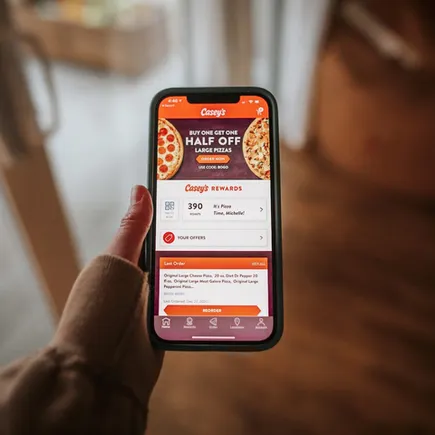
Convenience Store Chains Bet on Retail Media: Opportunities and Concerns in 2023
As the digital advertising landscape evolves, the convenience store industry is accelerating its embrace of retail media networks. Giants like Casey's and 7-Eleven have taken the lead, but experts caution that while this field holds great potential, it also tests operators' strategic patience and resource investment.

7-Eleven's Path to Building a Retail Media Network and Its Implications for the Convenience Store Industry
With the decline of third-party cookies and the growth of online shopping, retail media networks have become a key channel for brands to reach consumers. In October 2022, 7-Eleven launched Gulp Media Network, the first such network in the convenience store industry. Based on interviews with 7-Eleven executives and analysis by industry experts, this article outlines its construction process, personalization strategies, three key elements (reach, data, trust), and challenges such as connecting online and offline, while also exploring the unique advantages of the convenience store industry.

Revenge Spending Meets Experiential Gifting: Why Experiences Matter This Holiday Season
In the 2022 holiday season, consumers shifted toward experiential spending under inflationary pressure, giving fewer gifts but spending more on experiences. Brands need to respond with emotional resonance and multicultural strategies.

Behind the Surge in Retail Media Advertising: Marketers' Frustrations and Concerns
Retail media advertising spending continues to climb, expected to account for 11% of the global share this year, with revenue reaching $101 billion. But the rapid expansion of the industry is accompanied by growing pains: a lack of standardization, data opacity, internal silos, and the concentration of power among retailers make brands feel compelled to invest yet struggle to see returns, with a looming crisis of trust.

The Rise of the Creator Economy: New Challenges and Opportunities for Brand Marketing
The creator economy is shifting from mere endorsement partnerships to brand creation, with top creators like the D'Amelio family leveraging their massive fan bases to enter the business arena, forcing marketers to rethink influencer marketing strategies. This article analyzes the evolution of influencer marketing, platform competition, the rise of micro-influencers, and the limitations of virtual influencers.

Ice-Cold Beer and Heatwaves: How Two Major Beer Brands Tackle Climate Change
As climate change becomes an increasingly important issue for consumers, sustainable marketing has shifted from a bonus to a necessity. Corona and Coors Light—one positioned as premium and originating from Mexico, the other主打 affordable and locally brewed—have both launched sustainable marketing plans that align with their brand DNA. The former focuses on a "net-zero plastic footprint" and beach cleanups, while the latter has upgraded its "Born to Chill" campaign, using localized actions like "cooling billboards" to reach younger consumers. Drawing on insights from multiple executives and industry experts, this article explores how eco-marketing can avoid the suspicion of "greenwashing" and genuinely translate into commercial value.

Back-to-school marketing faces challenges: consumers focus on saving money, how should brands respond?
Inflation is the top concern for parents for the 2022 back-to-school season, but market signals are mixed. Deloitte predicts spending will reach 34.4 billion USD, 24% higher than pre-pandemic levels; average spending per parent is 661 USD, up 8% year-over-year. However, 50% of parents plan to splurge (compared to 93% last year), and 33% say household income has worsened. Brands like Amazon and Target are promoting with discounts, while Gap, L.L.Bean, and others focus on emotional and durability value. Online spending is expected to decline for the first time, physical stores are making a comeback, but digital tools remain favored.