
Deep Dive
来自我们记者的行业洞察

The Boundaries of Nostalgic Marketing: How Brands Look Back Without Being 'Dried Out'
Following greenwashing and rainbow washing, nostalgia washing has become a new risk for brands. In 2024, many brands attempted to attract consumers with nostalgic elements, but most failed to establish genuine emotional connections. Experts point out that successful nostalgic marketing should be based on a brand's authentic history and values, rather than blindly chasing trends. By analyzing the perspectives of experts from agencies such as Lippincott and Buttermilk, as well as cases like Levi's and Chili's, this article explores how brands can maintain sincerity and differentiation amid the nostalgia wave.


"Joyful and Bright": How Marketers Are Navigating an Ambitious Holiday Shopping Season
The 2024 holiday shopping season is about to peak, with consumer spending expectations reaching new highs. Facing shifts in consumer behavior, declining brand loyalty, and uncertainty from the presidential election, marketers are using AI, connected TV (CTV), and cross-channel strategies to balance spreading holiday cheer with emphasizing value messages. Deloitte data shows that per-capita spending is expected to reach $1,778, an 8% year-over-year increase.

Brands Leverage Heated Election Campaigns: Conveying Messages Through Unity and Humor
Brand marketing during election season faces challenges: GWI research shows 22% of American consumers have stopped purchasing due to brands' political stances, and 82% of marketers worry about marketing strategies during the campaign period. Stonyfield launched the 'Toxicity-Free Election Challenge' encouraging users to stay away from social media, Red Lobster united consumers with the humorous 'Cheddar Bay 2024' campaign, and Aloft Hotels used dog meditation videos to ease anxiety. Forrester advises brands to strengthen brand safety and social listening, and to be wary of AI risks.
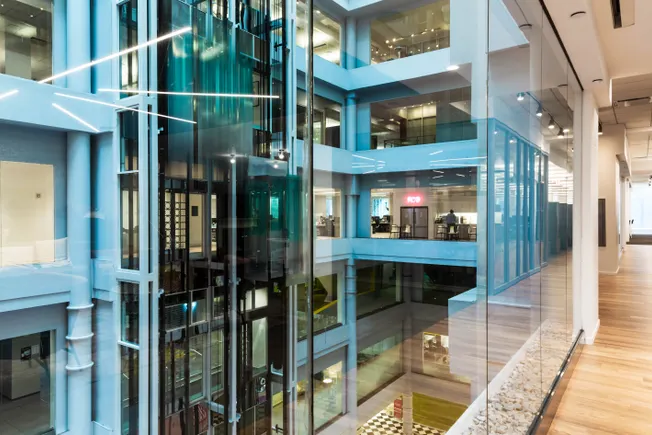
FCB's Low-Key Data Division Reveals the Future Direction of the Creative Agency Industry
Facing the impact of the creative crisis and performance marketing, FCB's low-key data division, FCB/Six, has achieved a 15% revenue growth by integrating creative thinking into conversion-focused marketing fields like CRM, and has expanded into emerging markets such as India. This article examines how the division, by merging data with creativity, offers a new model for the future growth of the IPG Group and the broader agency sector.
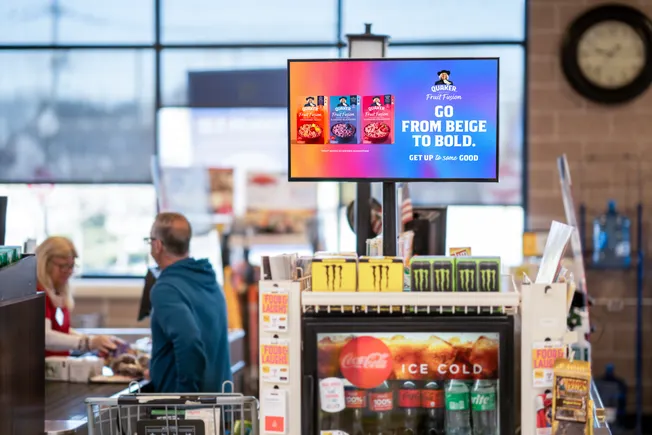
What are the key elements to unlocking in-store retail media?
Although digital retail media provides retailers and advertisers with a broad-reaching platform, in-store retail media is showing greater potential in influencing consumer purchase decisions. Currently, 84% of retail sales still occur in physical stores, prompting retailers to accelerate the deployment of in-store technologies such as sampling kiosks, digital endcaps, and smart shopping carts. However, measurement standards, privacy concerns, and personalization balance remain unresolved challenges for the industry.
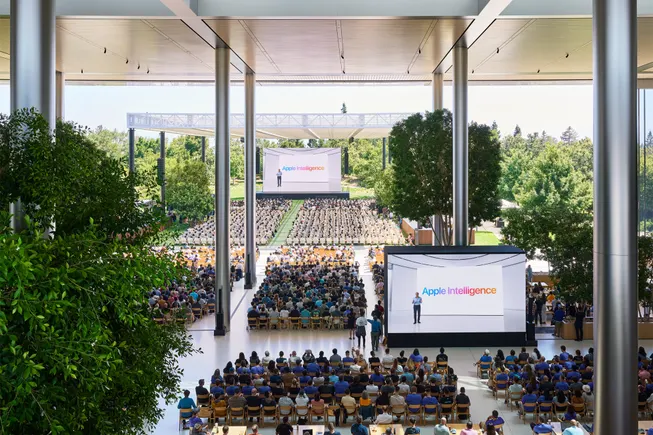
The 'Year of Implementation': How Marketers Are Using Generative AI on Mobile
Apple has confirmed its fall event will be held on September 9, with expectations of the iPhone 16 launch and updates to Apple Intelligence. Industry analysts point out that 2024 is the 'year of implementation' for generative AI in mobile marketing, as marketers explore the practical value of AI in scenarios ranging from copy generation and image optimization to mobile commerce and app personalization, while also needing to address regulatory uncertainty and brand safety challenges.

2024 Back-to-School Season: How Brands Win Over Young Consumers Amid Uncertainty
Consumer expectations for the 2024 back-to-school season have slightly declined, intensifying brand competition. A Deloitte survey shows that 61% of parents increase spending due to their children's influence, with total spending expected to drop from $31.9 billion in 2023 to $31.3 billion. Amazon and JCPenney strengthen their value positioning, while brands like American Eagle and Urban Outfitters focus on Gen Z and Gen Alpha, competing for market share through emotional resonance and multicultural marketing. Industry experts point out that grasping children's influence, balancing value and emotion, and deploying multi-channel strategies are key to winning.
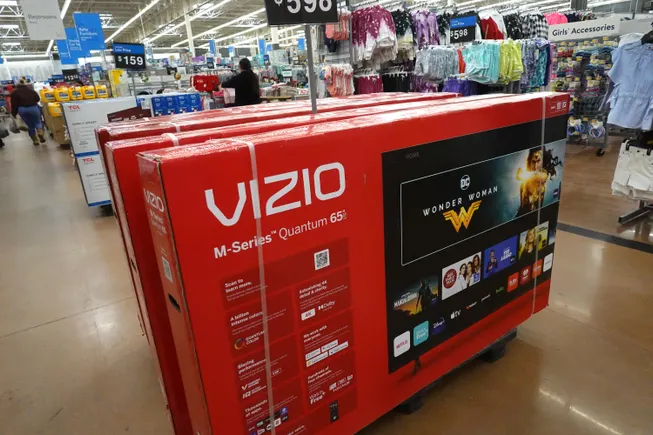
Retail media networks accelerate expansion - is an industry inflection point approaching?
Retail media, once the fastest-growing channel in digital advertising, is now undergoing a strategic expansion from on-site to off-site (CTV, social, and open web programmatic). Although off-site ad spending is projected to reach $20 billion in 2024, declining profit margins, supply constraints, programmatic transparency issues, and retailers' digital capability gaps are casting a shadow over the industry's outlook.
Google Halts Third-Party Cookie Deprecation Plan: Industry Impact and Future Directions
After more than four years of commitments and delays, Google suddenly announced it will no longer deprecate third-party cookies in Chrome, instead exploring "new paths." This decision offers a reprieve for marketers reliant on cookies but may disrupt the emerging alternative ID space. Although regulatory and consumer reactions remain unclear, the continued growth of cookie-less environments such as CTV and mobile may render this decision of limited significance. Industry experts point out that the long-term direction of privacy protection and user consent remains unchanged, and the challenge of signal loss persists.